
Thank you for Subscribing to Insurance Business Review Weekly Brief

Valero Energy Corporation
Roy Hock, Director of Risk Finance and Casualty Insurance
The Keys To Building A Resilient Risk Management Future
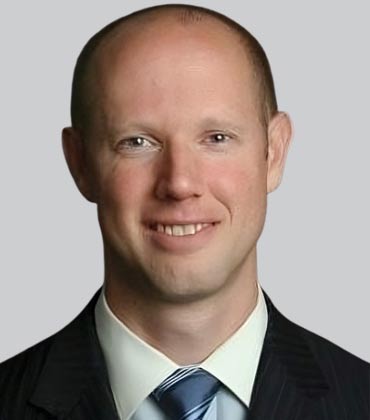
Roy Hock
Roy Hock, ARM, MBA, is a seasoned risk management professional with over 20 years of expertise in insurance, enterprise risk management, business continuity, loss control, and financing strategies. As Director of Risk Finance & Casualty Insurance at Valero Energy Corporation, he leads a team overseeing captive management, liability programs, and risk management data systems. His experience spans multiple industries, including energy and marine, reinsurance, financial services, health and fitness, private equity, and captive management.
Through this article, Hock highlights the evolving risk landscape and the increasing importance of formal education, critical thinking and industry-academic collaboration in preparing future risk management professionals.
Gone are the days when most people simply “fell into” insurance and risk management. When I speak to students, they inevitably ask how I started my career, and I have to admit, like many others 25 years ago, I fell into it myself, coming from a science background with a bit of business mixed in. All of my initial industry knowledge came through on-the-job training and time. My answer usually earns an eye roll and a questioning look, as if they wonder whether they chose the right degree. I quickly follow up with this reassurance: they have made a great choice, and here is why. The risk landscape is evolving faster than ever. Organizations require well-educated, forward-thinking professionals who can help them navigate risk in this dynamic environment to survive.
Educational programs and degrees specific to risk management help the industry meet this need by exposing students to the foundational historical risk management paradigm and giving them the tools, training and knowledge to tackle the modern risk challenges
Risk has always been a dynamic and changing concept. However, from the earliest times of categorizing, mitigating, and transferring risk to others, risk management has been relatively reactive and based on historical norms. For example, traditional property and liability risk models developed slowly based on an accumulation of years of experience and many incidents. Though valid and appreciative, those risks are now joined by rapidly evolving and complex siblings. The pace of technological change, globalization, political upheavals and severe weather events, to name a few, have introduced new, more complicated and integrated exposures. Traditional methods alone cannot keep up. Concepts such as real-time data, predictive modeling and, most importantly, critical thinking are now essential in successfully steering through this new world of risk. A risk and insurance professional today needs to be knowledgeable of the past, adaptable, able to communicate in words and data as well as provide forward-looking strategies. Additionally, as an industry, we need these skills earlier than ever in our professionals as we do not have the luxury of prolonged on-the-job training. Educational programs and degrees specific to risk management help the industry meet this need by exposing students to the foundational historical risk management paradigm and giving them the tools, training and knowledge to tackle the modern risk challenges.
As the discipline of risk management has evolved, so have its educational requirements. Only a few risk management degrees were available in the past, and the industry relied more on certifications and experience. Multiple degree programs exist today, and certifications have become broader and more all-encompassing. Programs integrate case studies, simulations, data analysis, and realworld scenarios. Realizing the next generations of risk professionals need to be different than in the past, industryleading insurers, brokers, risk departments and associations have begun partnering with educational institutions to provide mentorship, curriculum guidance, internships and other forms of interactive support in addition to their internal programs. This collaboration provides many benefits to the industry as it generates a stable pipeline of talent already versed in technical risk knowledge and critical thinking. It also reduces hiring organizations’ onboarding and recruiting costs.
As the risk environment evolves quickly and increasingly complex, the need for a critical-thinking and adaptable risk management workforce has never been greater. Collaboration between industry and educational institutions is helping to build a more skilled and resilient talent pool ready to meet the rapidly changing risk landscape challenges. The young professionals entering the field are equipped with technical knowledge and a future-focused, criticalthinking risk mindset. I should not say that people no longer “fall into” our industry, as it is an exciting and dynamic workplace. However, today’s educational opportunities and collaborations make it a smart choice for students who want a great career in a fast-paced and dynamic industry.
The articles from these contributors are based on their personal expertise and viewpoints, and do not necessarily reflect the opinions of their employers or affiliated organizations.
