
Thank you for Subscribing to Insurance Business Review Weekly Brief

Grand Sierra Resort
Michael J. Munda, J.D., M.Ed., CPHRM, CJCP, Corporate Director of Risk Management and Safety
Bringing a Healthcare Standard of Safety to Hospitality Risk Management
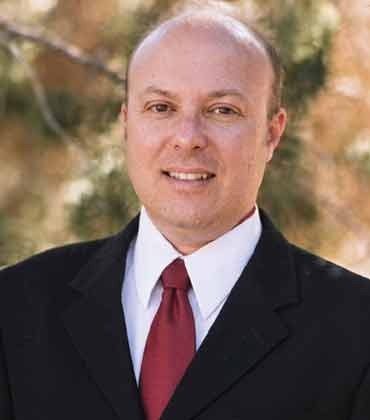
Michael J. Munda
Over more than 25 years in law, healthcare, regulatory compliance, emergency management, facilities safety and hospitality risk management, one lesson has remained constant: safety is not a department; it is a culture. Whether protecting patients in a hospital, employees in a complex workplace or guests at a hotel resort casino, the mission is the same: anticipate risk before harm occurs, build reliable systems and never lose sight of the human beings we are entrusted to protect.
My approach to risk management was deeply shaped by my years as Director of Accreditation and Regulatory Compliance at Renown Health in Reno, Nevada, where I helped lead safety, emergency management, infection control, OSHA, CMS, Joint Commission, EPA, DOT, ADA and regulatory compliance programs across more than 70 locations and thousands of employees. In healthcare, the margin for error is narrow. A missed process, an unclear policy or a poorly trained team can directly affect patient safety. That level of rigor, urgency and discipline has stayed with me throughout my career and now informs my work as director of risk management and safety at Grand Sierra Resort Hotel and Casino.
In hospitality and entertainment, the word ‘guest’ carries the same ethical weight that ‘patient’ did in healthcare. Guests come to us expecting enjoyment, comfort, security and trust. Our responsibility is to create an environment where exceptional guest experience and exceptional safety are not competing priorities, but mutually reinforcing ones. A safe property is a more welcoming property. A well-trained team is a more confident team. A proactive risk program protects people, preserves brand reputation and strengthens operational excellence.
Balancing regulatory compliance with a proactive safety culture requires moving beyond a checklist mentality. Compliance is the floor, not the ceiling. OSHA, ADA, fire and life safety, health department, environmental and local code requirements provide essential structure, but true risk leadership requires embedding those standards into daily operations. That means rounding with purpose, listening to frontline employees, translating technical requirements into practical behaviors and using data to identify trends before they become claims, injuries or crises. In both healthcare and hospitality, I have learned that people support what they understand. Training must be clear, relevant, repeated and connected to the real-world work employees perform every day.
The emerging risks facing hospitality and entertainment are increasingly complex. Properties must be prepared for workplace violence, active shooter events, severe weather, public health threats, cyber disruptions, hazardous materials, intoxication-related incidents, aging infrastructure, construction exposures, supply chain issues and the operational pressures that come with large-scale events. At a resort casino, risk is dynamic because the environment is dynamic: hotel operations, gaming, entertainment, restaurants, pools, conventions, transportation, construction and special events may all be occurring simultaneously. That complexity requires risk professionals who can see across silos and coordinate safety, security, legal, insurance, claims, facilities and guest experience into one integrated strategy.
People deserve the same level of protection wherever they are, whether they are a patient in a hospital, an employee at work or a guest enjoying a resort experience.
The role of risk management has evolved dramatically during my career. It was once viewed primarily as claims handling or regulatory response. Today, it is a strategic leadership function. Modern risk leaders must understand law, insurance, compliance, emergency management, finance, human behavior, data analytics, communications and operations. My legal education at UCLA School of Law, my master of education in educational leadership, my Certified Professional in healthcare risk management credential, my CJCP background and my training as a certified instructor in transformational healthcare and rapid process improvement have all reinforced the importance of systems thinking. Risk management is not simply asking, “what went wrong?” It is asking, “what did the system allow? what signals did we miss? and how do we design a safer process?”
I have also been fortunate to teach and speak nationally on safety and emergency management topics, including as a featured speaker for the California Hospital Association and for The Joint Commission on subjects such as active shooter preparedness, mass casualty response, cyberattack readiness, safety, emergency management and infection control. Teaching others has strengthened my belief that the best risk professionals are also educators. They do not simply enforce standards; they inspire understanding, ownership and action.
My advice to aspiring risk management leaders is this: be technically excellent, but never forget the people. Learn the regulations, study the claims, understand insurance, develop strong investigation skills and become fluent in operational realities. But also build trust. Walk the property. Talk to employees. Respect tradespeople and frontline workers. Communicate with executives in business terms and with team members in practical terms. Be humble enough to learn from every incident and courageous enough to speak up before one occurs.
My advice to aspiring risk management leaders is this: be technically excellent, but never forget the people. Learn the regulations, study the claims, understand insurance, develop strong investigation skills and become fluent in operational realities. But also build trust. Walk the property. Talk to employees. Respect tradespeople and frontline workers. Communicate with executives in business terms and with team members in practical terms. Be humble enough to learn from every incident and courageous enough to speak up before one occurs.
To me, risk management at its best is not about fear. It is about stewardship, preparedness, trust and the relentless pursuit of safer, stronger organizations.
The articles from these contributors are based on their personal expertise and viewpoints, and do not necessarily reflect the opinions of their employers or affiliated organizations.
