
Thank you for Subscribing to Insurance Business Review Weekly Brief


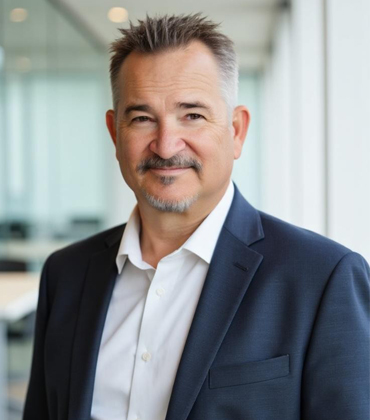 Brian A. Schneider, President
Brian A. Schneider’s experience managing claims for a regional insurance company exposed him to a recurring problem. The independent adjusting companies and TPAs he worked with often fell short of the level of responsiveness insurers and self-insured organizations needed. Seeing an opportunity for a more responsive service model, he founded Schneider & Associates Claim Services, initially serving clients across Los Angeles County.
As demand grew, he expanded the service territory and hired adjusters who had both insurance carrier and independent field experience. That background was important to Schneider because his adjusters needed to understand coverage and the way a claims office functions, as well as what claims professionals required from the field to move a file toward resolution.
Today, that approach underpins Schneider & Associates’ operations across a wide and growing portion of the United States, with its primary focus on TPA and independent adjusting services alongside investigation and national catastrophe response.
“We are a one-stop shop for our clients’ claims needs,” says Schneider. “That creates economies of scale, saves them money and gives them one point of contact.”
A Single Partner for Diverse Claims Needs
Schneider & Associates’ multi-line TPA model enables clients to manage varied claims requirements, including employment practices, Cyber, D&O along with general liability, inland marine, transportation, personal and commercial lines property claims.
When approached by a new customer, Schneider & Associates takes time to understand that company’s claims history and identify pain points. Once both sides determine that Schneider & Associates is a fit, the firm develops a customized workflow and reporting regimen tailored to the client’s unique circumstances. Mr. Schneider remains closely involved with the program is implemented, with regular meetings to address any issues and review performance.
-
We can be a one-stop shop for our clients’ claims needs. That creates economies of scale, saves them money and gives them one point of contact.
Quality remains central to that model. Schneider avoids overloading adjusters and invests in experienced professionals, supported by supervisory oversight, internal reviews and continuing education covering insurance law, case law and technology.
Attention to detail, technical accuracy and redundant workflow systems in combination with an experienced, long-tenured claims team has resulted in positive outcomes for the company’s customers. A recent audit of one customer’s claims by its reinsurer resulted in a 94 percent score.
Strengthening TPA Operations with AI
Rather than using AI just to automate individual tasks, the firm uses it to handle repetitive claims-administration tasks, at scale. This allows the team to manage more claims with fewer people while improving speed, fraud detection and client communication.
Clients can also log into Schneider & Associates’ claims system to view information directly, while AI automatically sets up, triages and assigns new claims to the adjuster best suited to handle the loss. AI virtual attendants can communicate in up to 100 languages, take first notice of loss and automatically notify clients when claims are received and assigned. This is particularly useful during a catastrophe.
Building TPA Capabilities across Territories
Schneider & Associates has built its own employee-based field network to work in tandem with its desk adjusters rather than relying on third party companies to complete task assignments in the field. The firm’s model is designed to keep that work within the same organization, allowing claims to be handled more efficiently, and for less cost to the client.
Beyond this integrated model, Schneider & Associates also gives its adjusters the freedom to use their own judgement to pursue information that could materially affect a claim, even if it falls outside the scope of an assignment. In one case involving a fatal single-vehicle accident near Lake Tahoe, an adjuster was only assigned to photograph the scene but noticed several nearby cabins despite a police report stating there were no witnesses. Speaking with the occupants revealed information that materially changed the understanding of the accident, giving the carrier grounds to deny a million-dollar time-limit demand.
As Schneider & Associates expands toward a national TPA model, Schneider remains focused on providing world-class service to customers, with the broader goal of helping those who have suffered a loss. He views claims work as not just a job, but a noble vocation.
Claims Adjusting that Keeps Files Moving
A claim can become more expensive long before liability is resolved. Delayed fieldwork leaves carriers waiting for facts, while weak reporting forces claim managers to reopen files just to understand what has changed. The problem becomes sharper when claim volume rises suddenly. During catastrophe events, intake surges can overwhelm call handling and assignment queues before adjusters reach the loss location.
Speed alone is not enough. A fast inspection followed by a vague report still creates work for the carrier. Claims executives need reporting that surfaces coverage issues, reserves, next actions and documentation gaps without forcing a search through pages of narrative. Experience on the adjusting side matters because field findings have to be translated into information that a claims office can use. An adjuster who understands carrier workflows is better positioned to recognize what belongs in the file and what could delay a decision.
File control becomes harder once desk activity and field investigation move through separate providers. Different systems can leave status updates scattered across portals, while inconsistent reporting formats make supervision more difficult across a larger book of business. Buyers should look closely at how an adjusting firm handles assignment ownership once work passes between locations or specialties. A coherent process keeps field findings tied to the same claim record and gives managers a clear view of diary activity and reporting progress.
“Schneider & Associates Claim Services' claims administration model gives clients direct access to claim information and supports triage and assignment within the same environment.”
Catastrophe response adds a communication problem to the workload. A claimant who receives no acknowledgment or adjuster information is likely to call again, adding pressure to the same staff trying to move new losses into the system. Effective surge handling should therefore preserve prompt contact while keeping incoming files moving toward the appropriate adjuster.
Volume management exposes another weakness. Temporary staffing can absorb a spike, but more people do not automatically produce better files. Heavy caseloads can slow responses and reduce the attention given to coverage concerns or investigative details. Technology has a practical role here when it removes repetitive administrative work and supports triage. Human judgment still has to sit behind those tools, especially where fraud indicators, liability questions, prior-loss history or unusual claim patterns demand closer examination.
The strongest service models also reduce avoidable handoffs. Carriers benefit when claims can move from initial notice into field investigation without losing context between systems. Consistent supervision matters just as much as geographic reach. A wide service footprint has limited value if work product changes materially from one adjuster to another or if clients have to chase updates. Buyers should favor firms that can keep reporting and file ownership clear as claim counts rise.
Schneider & Associates Claim Services is a premier choice for buyers who value experienced adjusting and tighter control over file progress. Its adjusters bring insurance-company claims experience, supported by supervisory file reviews and internal audits that keep reporting accurately and timely. Its claims administration model gives clients direct access to claim information and supports triage and assignment within the same environment. The firm also handles catastrophe claims and multi-line adjusting, reducing the need to split fieldwork across unrelated providers. For carriers and self-insured organizations that want responsive reporting without adding more coordination between desk and field resources, that model warrants serious consideration.
...Read more
Claims Adjusting Services Info
Q1
What Do Claims Adjusting Services Include?
Claims Adjusting Services cover the investigation, evaluation and reporting activities needed to move insurance claims toward resolution. Depending on the loss, the work may involve gathering facts, documenting damage, identifying potential coverage concerns and providing the claims office with information needed for timely decisions. Effective Claims Adjusting Services also depend on reporting that is clear enough for claim professionals to understand key findings, reserves, next actions and outstanding issues without having to search through lengthy narratives.
Q2
How Does Schneider & Associates Claim Services Support Complex Claims Workflows?
Schneider & Associates Claim Services provides Claims Adjusting Services through an integrated model that combines third-party administration, independent adjusting, investigation and catastrophe response. Its multi-line capabilities cover areas including employment practices, Cyber, D&O, general liability, inland marine, transportation and personal and commercial property claims. The company develops customized workflows and reporting processes after examining a customer's claims history and operational needs, helping keep different aspects of claims work connected rather than managed through unrelated providers.
Q3
Why Does Adjuster Experience Matter in Claims Handling?
Experienced professionals can make Claims Adjusting Services more effective because field findings must be translated into information a claims office can use. Adjusters with insurance-company experience may better understand coverage considerations, reporting requirements and the information needed to keep a file moving. Technical knowledge also supports stronger investigation when facts are incomplete or unexpected issues arise. Experience alone, however, is not enough; supervisory oversight, internal review and continuing education can help maintain consistency and accuracy across a growing volume of claims.
Q4
What Should Organizations Look for When Evaluating Claims Adjusting Services?
Organizations evaluating Claims Adjusting Services should consider responsiveness, reporting quality, assignment ownership and the ability to maintain control as claim volume changes. A provider should be able to explain how claims move from intake to triage, field investigation and reporting without losing context between systems. Technology can reduce repetitive administrative work, but human judgment remains important when liability, fraud indicators, coverage questions or unusual circumstances require closer examination. Consistent workflows and direct visibility into claim activity can also reduce unnecessary follow-up and coordination.
Q5
How Can Technology Improve Claims Adjusting Services Without Replacing Human Judgment?
Technology can strengthen Claims Adjusting Services by automating repetitive administrative tasks and helping teams respond more efficiently when volumes increase. Schneider & Associates Claim Services uses AI to support activities such as claim setup, triage, assignment and client communication. Its system can direct new claims to an adjuster suited to the loss, while virtual attendants can take first notice of loss and communicate in multiple languages. These capabilities can help preserve speed during catastrophe events while leaving complex investigative and claims decisions to experienced professionals.
Q6
Why Is an Integrated Field and Desk Model Important for Claims Work?
An integrated approach to Claims Adjusting Services can reduce handoffs between field and desk resources and help preserve continuity throughout the claim. Schneider & Associates Claim Services operates an employee-based field network that works alongside its desk adjusters rather than outsourcing field assignments to unrelated third parties. The model is supported by supervisory reviews, internal quality controls and experienced adjusters. During one investigation, an adjuster pursued information beyond the original photography assignment, uncovering witness accounts that materially changed the understanding of a fatal accident.
